
OUR HISTORY
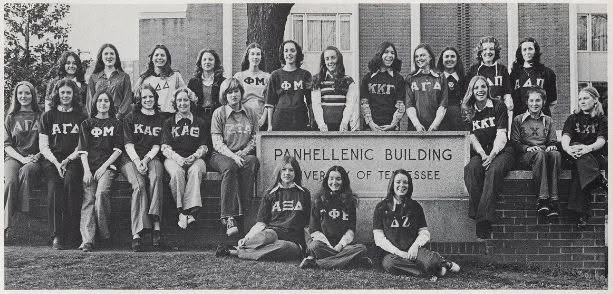

The Panhellenic Council
The Panhellenic community lives out its core ideology: “promote the positive, develop women and create an environment of unity and fairness." Panhellenic Council strives to develop women through the relationships they make while at UT, the leadership skills they gain, the challenge of academics and the philanthropic/community service experiences they participate in.
UT's Panhellenic community began taking shape in 1904–05 with the formation of an early women's Panhellenic organization. After a period of inactivity, the organization was reestablished around 1916–17. In 1929, the sororities united to form the Panhellenic Council, creating a collaborative body dedicated to shared governance, policy development, and strengthening the sorority experience.
Chi Omega, chartered on campus in 1900 (Pi Chapter), was the first national sorority on campus.
The Panhellenic BUILDING
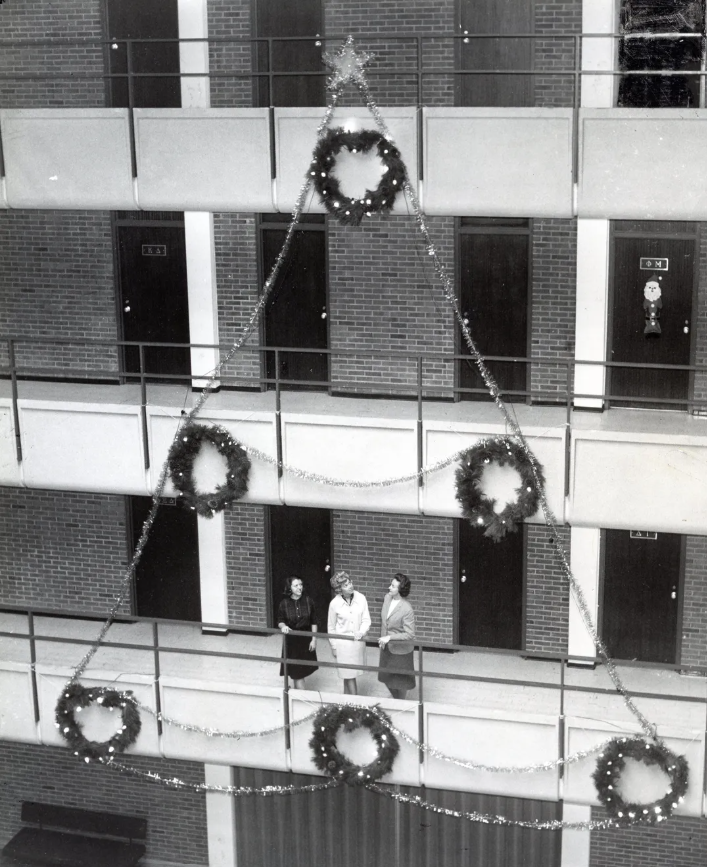
A significant milestone in the history of sorority life at the University of Tennessee came in 1962 when the Board of Trustees approved the construction of a dedicated Panhellenic Building, with groundbreaking taking place in March 1963. These efforts reflected the growing influence and presence of sorority women on campus.
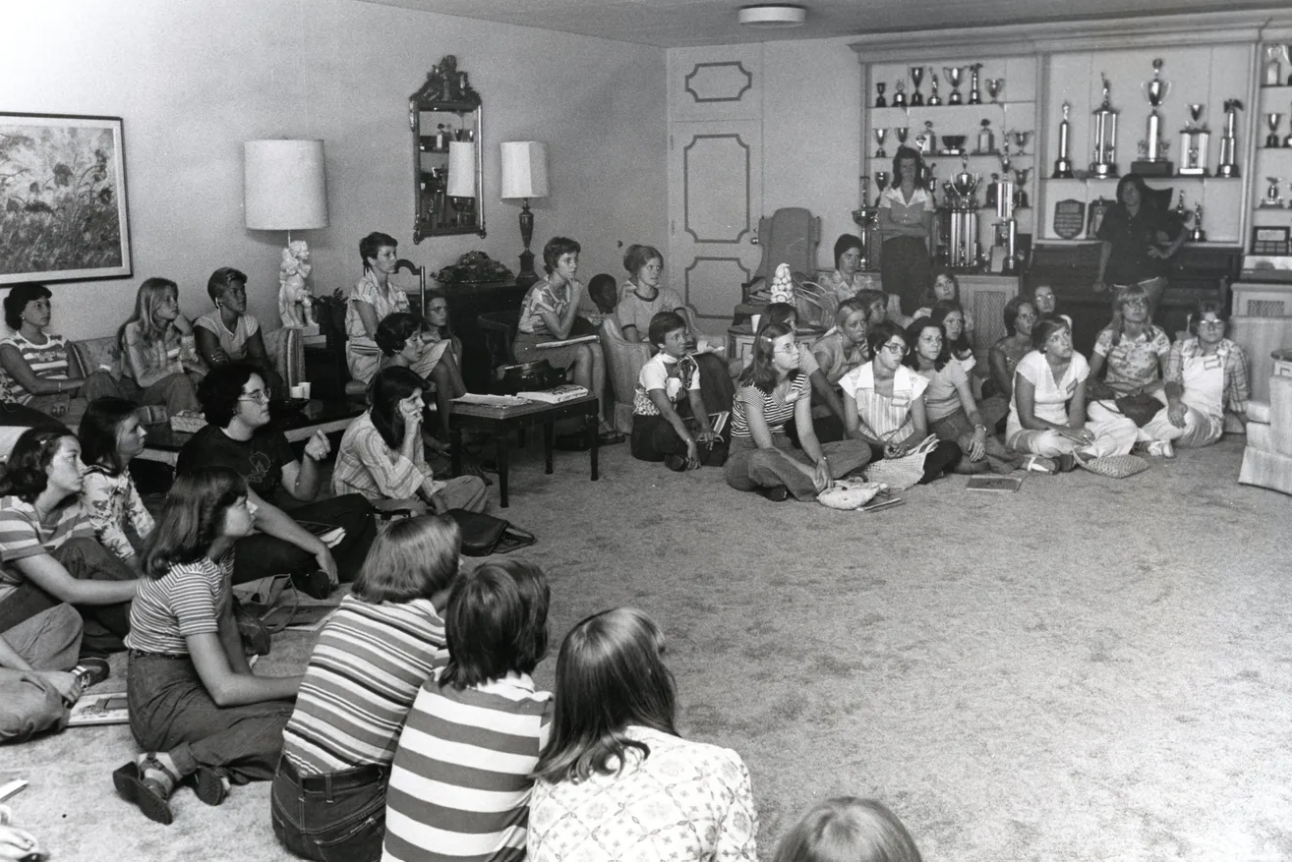
Completed and occupied in the fall of 1964, the 51,022-square-foot Panhellenic Building was designed to serve as a central hub for sorority life at UT. The facility provided suite space for 19 sororities, accommodating the 14 chapters already on campus while also allowing room for future growth. In addition to chapter suites, the building included meeting rooms and event spaces that fostered collaboration, leadership development, and community among sorority women.




A NEW CHAPTER
As sorority life expanded and chapters transitioned into individual homes within Sorority Village at Morgan Hill, the Panhellenic Building entered a new phase of service to the university community. Following the move, the facility underwent a $5.5 million renovation that transformed the space to support additional campus needs. After the completion of the new Sorority Village in 2014 the renovated building became home to Army and Air Force ROTC programs, the Office of Development and Alumni Affairs' telephone center, and event space for the Division of Student Life.
In May 2025 the old Panhellenic Building was demolished to make room for a new state-of-the-art Chemistry building
While its purpose has changed over time, the Panhellenic Building remains an important part of the University of Tennessee's history. Its construction represented the strength, growth, and lasting impact of Panhellenic women on campus, helping shape the sorority experience for generations of Volunteers.